Dynafiber
Dynafiber
Dynafiber
High-performance network modules and transceivers, fully inspected to ensure reliable insertion loss tolerances and carrier-grade durability.
An authoritative analysis of optical interconnect performance, manufacturing science, and enterprise quality assurance.
Within high-capacity transmission channels, signal attenuation is primarily dictated by insertion loss (IL) and return loss (RL). Our manufacturing facilities achieve an exceptional insertion loss average of < 0.15 dB for LC connectors, substantially surpassing the standard Telcordia GR-326-CORE requirements (limit < 0.4 dB). By maintaining ultra-precise ferrule concentricity deviations below 0.5 μm, we minimize misalignment losses between core surfaces.
Optimizing return loss involves advanced APC (Angled Physical Contact) and UPC (Ultra Physical Contact) geometric endface polishing. Our automated polishing lines guarantee an APC back-reflection of ≤ -65 dB and UPC back-reflection of ≤ -55 dB, preventing critical optical return path distortions in laser diode cavities.
Optical physical contact properties depend on core geometry parameters: radius of curvature (10 to 25 mm for PC/UPC), apex offset (< 50 μm), and fiber undercut/protrusion (-0.05 to +0.05 μm). Our quality control engineers employ 3D laser interferometry to measure every batch, ensuring strict compliance with IEC 61753-1 standards.
Without maintaining these parameters, temperature fluctuations will induce micro-gaps, leading to return loss degradation over multi-decade lifecycles. Dynafiber ensures that these interface metrics remain consistent across long-term deployments in diverse ambient conditions.
Why Dynafiber's advanced manufacturing infrastructure in China delivers unmatched structural advantages to global procurers.
Operating a 28,600㎡ modern manufacturing campus in China's high-tech optical industrial cluster enables us to optimize the supply chain matrix. We cooperate with over 1,200 verified partner nodes, securing raw materials such as premium ceramic ferrules, high-grade optical polymers, and customized transimpedance amplifiers at stabilized costs.
With an engineering strength of 260 R&D experts, we accelerate custom design cycles (OEM/ODM). From customized PCB routing for optical transceivers to custom EMI shielding cages, we handle high-mix, low-volume requests alongside high-volume structural production lines with equal speed and compliance.
Our deep vertical integration guarantees delivery times 30-40% faster than regional global averages. Automated assembly systems, combined with advanced production planning protocols, insulate our global partners from downstream raw-material shocks and market volatility.
Ensuring deployment readiness across critical markets through certification, local resources, and strict environmental accountability.
Our products are engineered to meet strict international standards, ensuring seamless deployment in high-reliability networks. We maintain compliance with:
To support global deployments, we offer localized support programs:
How our components optimize performance across diverse enterprise, service provider, and industrial architectures.
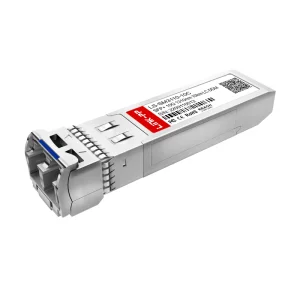
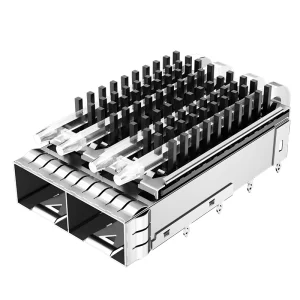
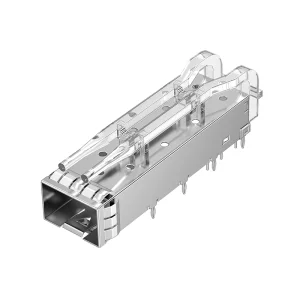
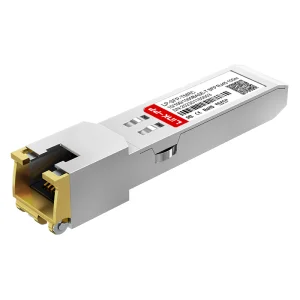
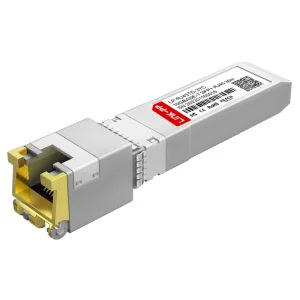
In modern Spine-Leaf topologies, high-speed transceivers require reliable connections. Our SFP+ and QSFP28 components feature gold-plated contacts and EMI shielding cages, delivering low bit error rates (BER) and consistent insertion loss under continuous operating temperatures up to 85°C.
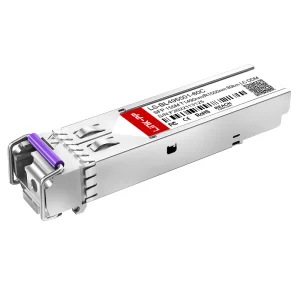
Fronthaul optical networks require rugged interfaces to withstand outdoor elements. Our single-mode BiDi transceiver modules and LC connectors provide robust IP67 ingress protection, ensuring wavelength stability (e.g., 1490nm/1550nm) across extended temperature ranges (-40°C to +85°C).
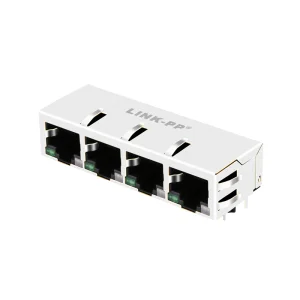
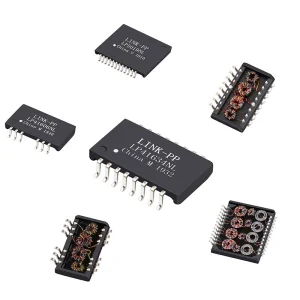
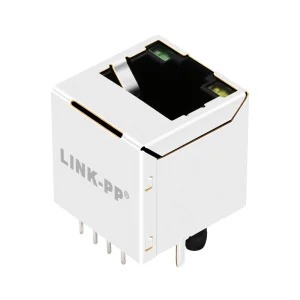
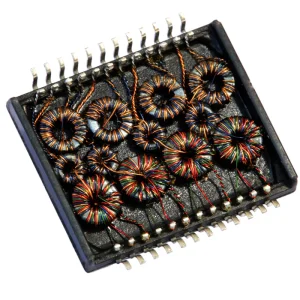
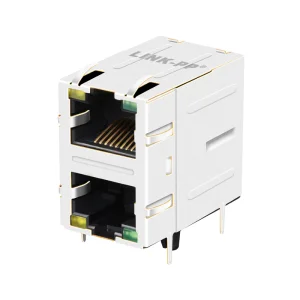
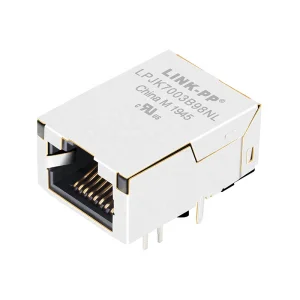
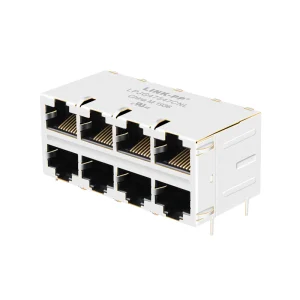
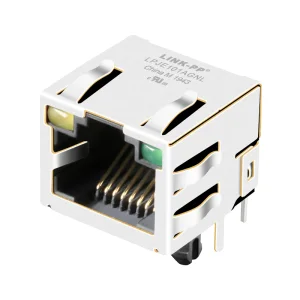
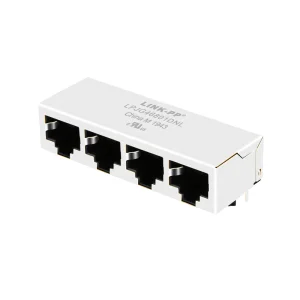
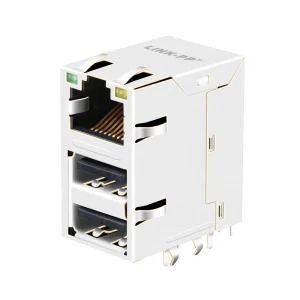
Factory floors present challenges like electromagnetic noise, vibrations, and chemical exposure. Our shielded RJ45 female connectors with integrated magnetic components suppress high-frequency noise and prevent physical signal loss in heavy manufacturing environments.
A visual tour of our ISO9001 certified optical production and quality assurance floors.
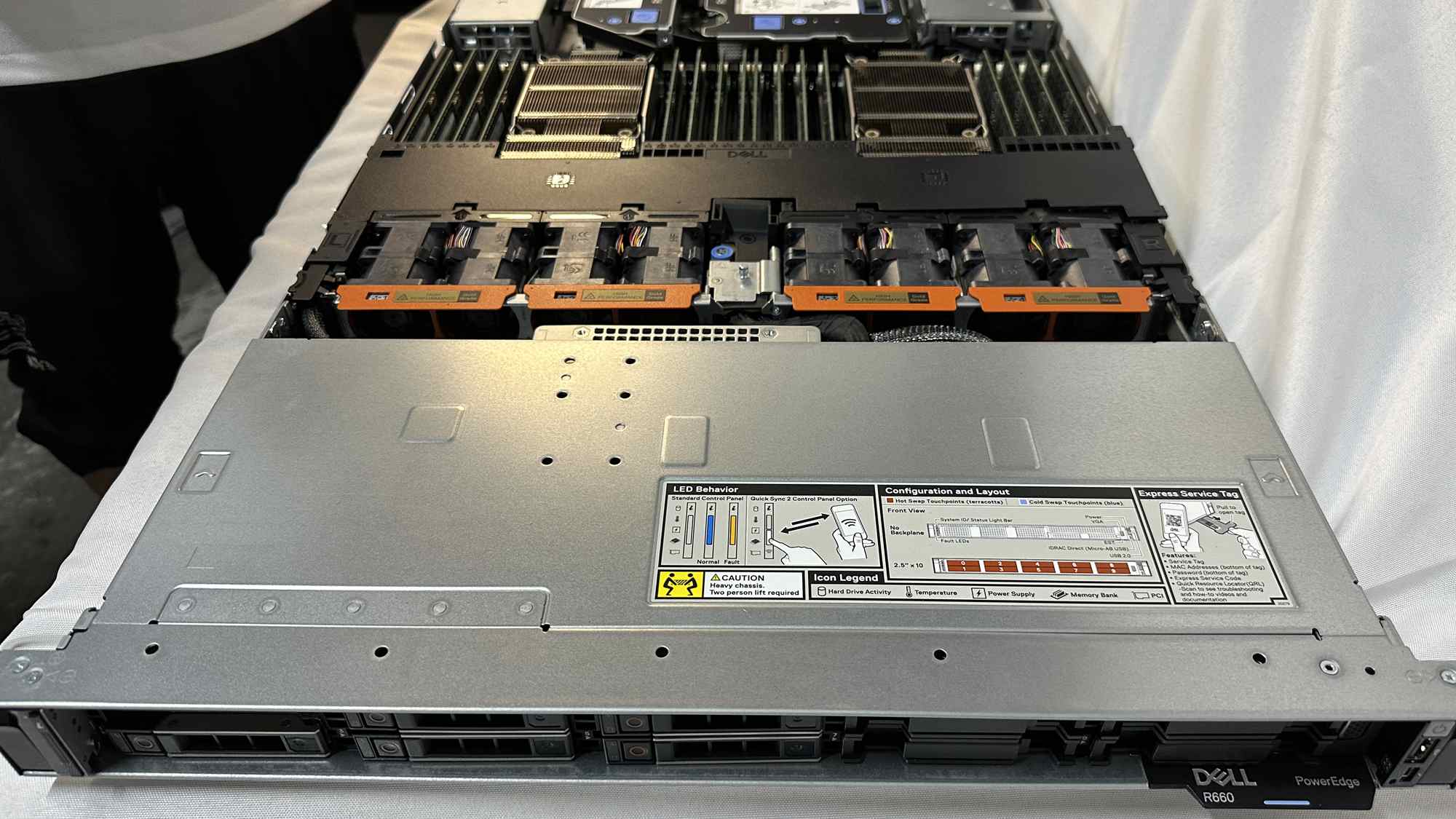
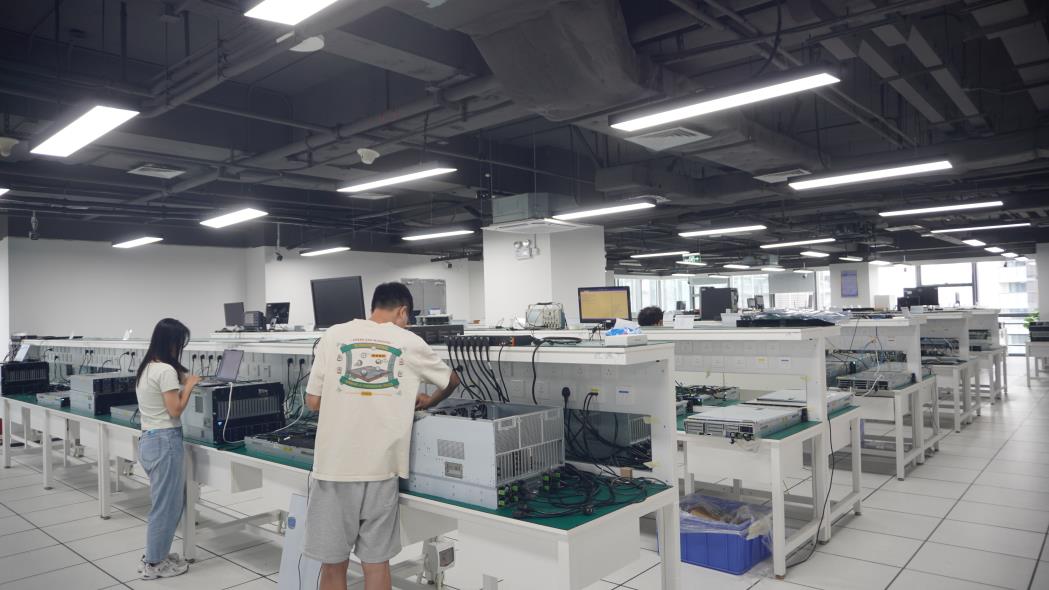
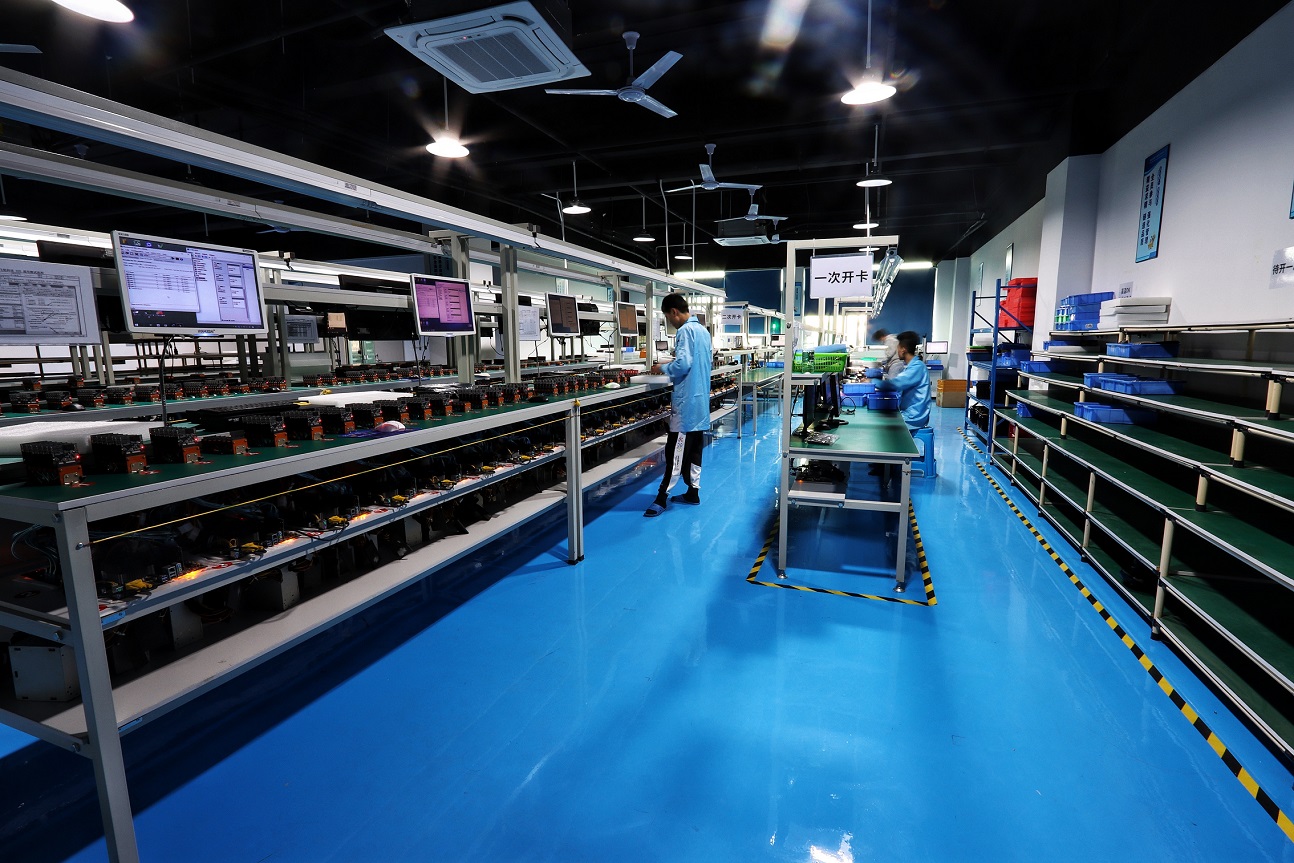
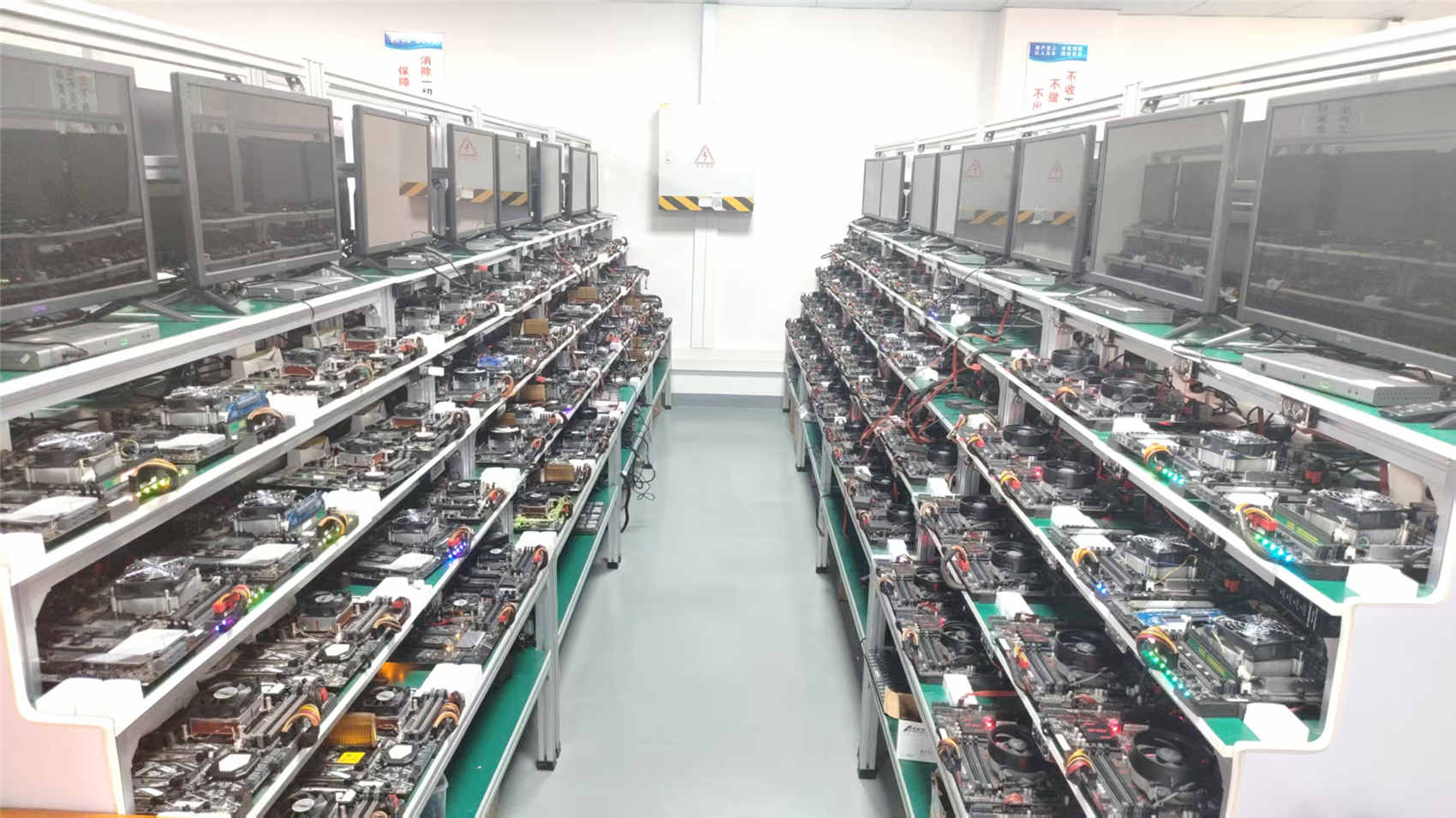

Adapting our connector technology to meet next-generation bandwidth and packaging demands.
As networks scale to 1.6T and beyond, traditional pluggable transceivers face thermal and density challenges. Silicon photonics integrates optical circuits directly onto the silicon die, moving optical engines closer to host ASICs. Our engineering team is developing high-density, multi-fiber optical connectors with tight tolerances to support co-packaged optics architectures.
Increasing datacenter fiber density requires shrinking connector footprints. We are expanding our micro-LC and ultra-density MPO/MTP connector ranges to reduce routing space requirements. At the same time, we optimize thermal efficiency to lower structural cooling power requirements, aligning with global green datacenter initiatives.
Expert technical insights to help guide your fiber optic infrastructure and deployment planning.
We use automated multi-stage polishing processes combined with real-time 3D laser interferometry. By verifying key parameters—including curvature radius, apex offset, and fiber undercut—on every batch, we ensure APC connectors maintain ≤ -65 dB return loss and UPC connectors maintain ≤ -55 dB return loss.
Yes. Our modules feature customizable firmware configurations to ensure compatibility with major OEM brands, including Cisco, Arista, Juniper, and MikroTik. We pre-program the EEPROM/MCU register profiles to match target hardware interfaces, eliminating configuration errors during installation.
Our quality control program is managed by 65 engineers and inspectors, applying rigorous testing across every production stage. Quality inspection includes automated optical performance testing, temperature cycling tests, compatibility verification, aging tests, and reliability evaluation. We use advanced inspection equipment for AOI, BER, optical power, wavelength analysis, and environmental stress testing.
Supported by 260 R&D engineers, we provide flexible customization options to meet specific project demands. Our services include custom optical specifications, firmware configuration, custom packaging, product labeling, and complete OEM/ODM manufacturing support.
All Dynafiber products meet RoHS and REACH standards to ensure safe disposal and compliance. We also use UL 94V-0 rated flame-retardant materials for plastic housings, meeting municipal building and safety regulations for datacenter deployments.
Engineered for reliable optical link performance in modern hyperscale networks and enterprise structures.