Dynafiber Dynafiber

What is the Best 200G Optical Transceiver for Your Needs?

Time:2026-08-16 Author:Sophia
0%

The demand for high-speed data transmission has surged in recent years. With the growth of cloud computing and 5G technology, the need for effective networking solutions is critical. The 200G optical transceiver stands out as a vital component in this landscape. Industry reports show that the optical transceiver market is expected to reach $6.85 billion by 2026, with the 200G segment playing a key role.

Expert Alex Johnson, a renowned figure in optical networking, emphasizes the importance of selecting the right transceiver. He states, “Choosing the optimal 200G optical transceiver can significantly enhance network performance.” This highlights the necessity for careful consideration when investing in network hardware. Factors such as range, compatibility, and environmental conditions must be evaluated.

While many options are available, not all transceivers deliver optimal results. Some might compromise on quality for speed, leading to inefficiencies. Understanding your specific needs is essential. As technology advances, the landscape of optical transceivers evolves. Selecting the right 200G optical transceiver can make a substantial difference in your networking capabilities.
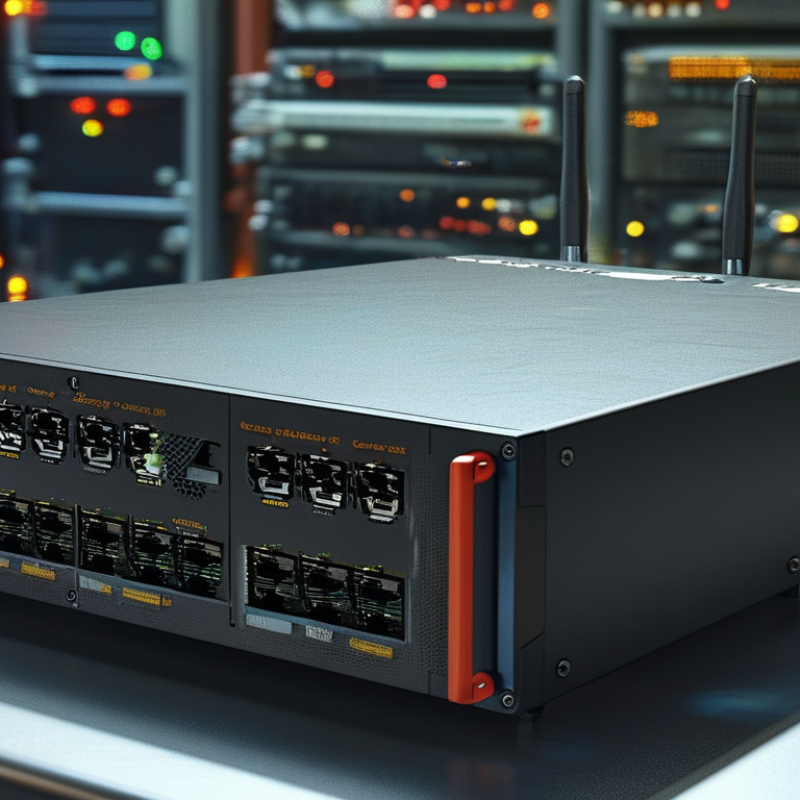
What is the Best 200G Optical Transceiver for Your Needs?

What to Consider When Choosing a 200G Optical Transceiver

When choosing a 200G optical transceiver, several factors come into play. Your specific application is crucial. Consider data rates, distance, and network compatibility. Each scenario demands a different type of transceiver. An understanding of these requirements will guide your decision.

The physical form factor is also significant. Whether it’s SFP56, QSFP28, or another type, make sure it aligns with your existing infrastructure. Compatibility issues can lead to frustration and data loss. Additionally, examine the power consumption and heat dissipation of the transceiver. Overheating can cause failures, impacting your operations.

Don't overlook the environmental conditions. An optical transceiver may face extreme temperatures or dust. Ensure it meets those specific environmental standards for durability. Reflect on past experiences, as they can provide insight into potential pitfalls. Choosing the right transceiver involves careful consideration and a willingness to reflect on what has worked—and what hasn't—in your network's history.

Key Specifications of 200G Optical Transceivers: A Detailed Overview

When selecting a 200G optical transceiver, key specifications are crucial. These devices support high-speed data transmission vital for modern networks. One primary factor is the modulation format. Common formats include PAM4 and NRZ. Each format has its benefits and limitations. PAM4 allows for higher data rates but may introduce more complexity in the overall system.

Another important aspect is the reach. The distance a transceiver can effectively transmit signals greatly influences performance. Short-reach modules are typically utilized in data center environments. On the other hand, long-reach modules are designed for wider area networks. Evaluating connectivity options is essential as well. They can include duplex LC connectors or MTP/MPO for higher density.

Power consumption is another consideration. It can impact overall operational costs. Higher energy use raises expenses, making efficiency a key concern. Cooling requirements may also increase in dense installations. Careful evaluation against network needs helps in making informed choices. Each specification contributes to the balance of performance and reliability in a 200G optical transceiver.

Comparing Different Types of 200G Optical Transceivers: A Guide

When selecting a 200G optical transceiver, it's essential to understand the various types available. There are primarily two categories: coherent and non-coherent transceivers. Coherent transceivers offer advanced modulation techniques, making them ideal for long-distance communication. They provide higher data rates with better signal integrity. On the other hand, non-coherent options are simpler and well-suited for shorter distances, often at a lower cost.

Tips: Consider the distance your data needs to travel. This will significantly influence your choice. If you expect to scale your network, opting for coherent transceivers may provide better long-term value.

Another aspect to carefully evaluate is the compatibility with existing infrastructure. Not every transceiver works seamlessly with every system. Take time to review the specifications and protocols supported by your current hardware. This will help avoid costly mistakes.

Tips: Don't overlook the importance of reliable sourcing. Choosing reputable distributors can minimize risks associated with counterfeit products. Validating suppliers’ credentials is a step you shouldn't rush. At times, what seems inexpensive may end up being a burden later.

Industry Trends and Standards Impacting 200G Optical Transceiver Selection

The selection of a 200G optical transceiver is influenced by several key industry trends and standards. As data traffic continues to surge, reports show that global IP traffic will reach 4.8 zettabytes per year by 2022. This growth necessitates higher bandwidth solutions, making 200G transceivers increasingly vital. They cater to data centers and telecommunications, where efficient data handling is paramount.

One trend impacting transceiver selection is the rise of Ethernet standards. The IEEE 802.3bs standard, published in 2017, stipulates requirements for 200G Ethernet specifications. This alignment with established standards ensures compatibility and reliability. However, the rapid evolution of technology poses challenges. Manufacturers must keep pace with emerging technologies while adhering to these standards. This can lead to delays in development and implementation.

Moreover, factors like power consumption and form factor also play a critical role. Recent studies reveal that energy efficiency is a predominant concern. Transceivers with lower power consumption contribute to sustainability goals. However, achieving this often results in trade-offs between performance and energy efficiency. Potential buyers should consider these nuances when evaluating options. Balancing performance, cost, and environmental impact is increasingly complex in today’s fast-paced technology landscape.

Top Manufacturers of 200G Optical Transceivers: Market Insights and Data

When exploring the 200G optical transceiver market, several key manufacturers stand out. They offer a range of products tailored to diverse needs. Market insights reveal that these companies focus on increasing efficiency and reducing latency. The demand for high-speed data transfer continues to grow, especially in cloud computing and data centers.

Quality is crucial in optical transceivers. Manufacturers are investing in technology that enhances reliability. Ensuring that these devices can operate under varying conditions is essential. However, not all products meet the same standards. Some may lack sufficient testing or quality assurance, making it vital to research before making a purchase.

The competition among suppliers drives innovation. Many manufacturers strive to balance performance and cost. While this often leads to advancements, it can also lead to compromises in other areas. Understanding what each manufacturer prioritizes can help in making an informed decision. Delve into user reviews and expert analyses to gauge reliability and performance. Knowledge is key in choosing the right 200G optical transceiver for your needs.

FAQS

: What modulation formats are common in 200G optical transceivers?

: Common formats include PAM4 and NRZ. PAM4 supports higher data rates, while NRZ is simpler.

How does reach affect performance in optical transceivers?

Reach influences the effective distance for signal transmission. Short-reach modules are for data centers.

What connectivity options are available for 200G optical transceivers?

Options include duplex LC connectors and MTP/MPO connectors for higher density installations.

Why is power consumption an important consideration?

Power consumption affects operational costs. Higher energy use can lead to increased expenses.

What are the two main categories of 200G optical transceivers?

The two categories are coherent and non-coherent transceivers. Each serves different distance requirements.

How can compatibility impact the selection of a transceiver?

Not all transceivers are compatible with every system. Review specifications to avoid costly mistakes.

Why is sourcing from reputable distributors critical?

Reliable sourcing minimizes risks associated with counterfeit products. Validate suppliers to ensure quality.

What should be considered when evaluating long-term value?

Consider scaling your network. Coherent transceivers may provide better long-term value for larger setups.

What role does quality play in optical transceivers?

Quality is essential for reliability in varying conditions. Some products may lack sufficient testing.

How does competition among manufacturers affect product development?

Competition drives innovation but may lead to compromises in quality. Research thoroughly before purchasing.

Conclusion

When selecting a 200G optical transceiver, several critical factors must be considered to meet your specific needs. Key specifications such as data rate, distance, and compatibility with existing infrastructure play a vital role in ensuring optimal performance. Additionally, understanding the various types of 200G optical transceivers, including active and passive options, is essential for making an informed decision.

The selection process is further influenced by industry trends and standards, which can impact the interoperability and future-proofing of your investment. As the demand for high-speed connectivity continues to rise, staying informed about the current market landscape and the leading manufacturers of 200G optical transceivers will aid in making the best choice for your requirements.

Sophia

Sophia

Sophia is a dedicated marketing professional with an exceptional depth of knowledge about her company's products and services. With a keen understanding of market trends and customer needs, she crafts insightful blog posts that not only inform but also engage readers, enriching the company’s online......